What's Happening?
A quiet and confusing policy change for green card applicants
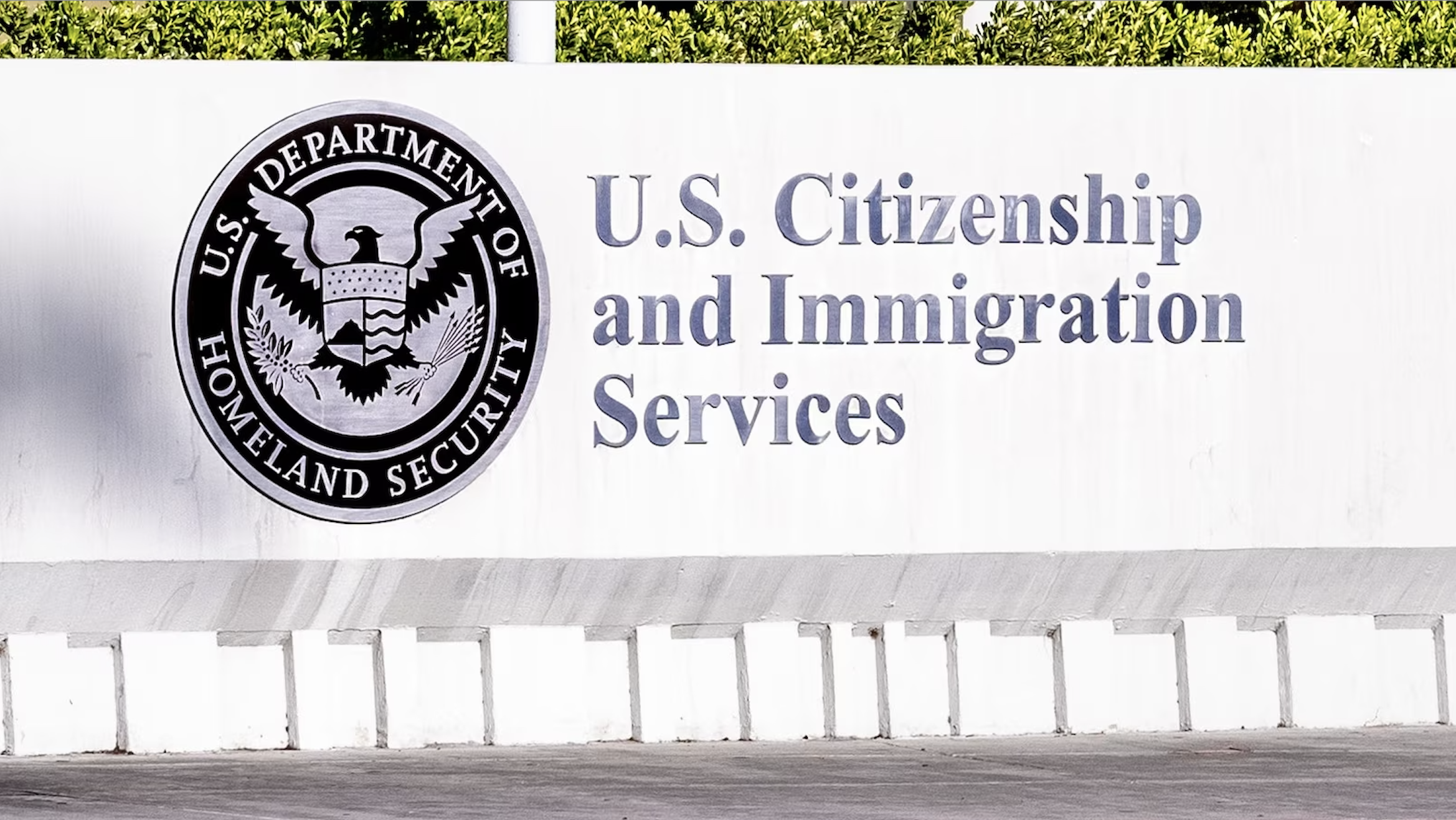
On May 22, 2026, USCIS announced that it will grant adjustment of status (AOS), the process allowing someone already in the United States to obtain a green card without leaving the country, "only in extraordinary circumstances."
The announcement accompanies a new policy memorandum, PM-602-0199, issued May 21, 2026, which directs USCIS officers to treat adjustment of status as "a matter of discretion and administrative grace" and "an extraordinary relief that permits applicants to dispense with the ordinary consular visa process."
Key operational points from the memo:
- Officers must evaluate every AOS application on a case-by-case basis under a totality-of-the-circumstances standard.
- The absence of negative factors alone is insufficient so applicants must affirmatively demonstrate "unusual or outstanding equities" to warrant approval.
- Status violations, unauthorized employment, fraud, and failure to depart when expected are designated as adverse factors warranting significant weight.
- Dual-intent nonimmigrants (e.g., H-1B holders) are not automatically disadvantaged by filing for adjustment, but maintaining lawful status in a dual-intent category is not enough by itself to secure a favorable exercise of discretion.
- Denial notices must now include a written discretionary analysis identifying positive and negative factors and explaining the balancing.
USCIS Spokesman Zach Kahler framed the change bluntly: "From now on, an alien who is in the U.S. temporarily and wants a Green Card must return to their home country to apply, except in extraordinary circumstances."
Policy Perspectives
The headline and the memo tell two different stories, and that gap matters.
The press release uses the phrase "only in extraordinary circumstances," implying that AOS approvals will be functionally eliminated for most applicants. But that phrase does not appear in the body of the memo itself. Immigration attorneys have noted that the memo does not actually require all green card applicants to file through consular processing abroad, and AOS remains a congressionally authorized legal pathway to permanent residence.
What the memo does do is reframe adjustment of status from a routine benefit into something closer to an exception that must be earned. It leans heavily on Board of Immigration Appeals precedent, particularly Matter of Blas (1974), which described AOS as "extraordinary" relative to the consular process, and elevates that characterization into a stated policy posture. The practical effect is to hand officers explicit permission to deny AOS applications on discretionary grounds, even where all statutory eligibility criteria are met.
This creates a messaging-versus-legal-authority tension that advocates, employers, and applicants need to understand:
- Legally, the memo does not amend the INA or override Section 245. Congress created AOS and it remains available.
- Operationally, officers now have formal top-down direction to treat AOS skeptically and to document a heightened discretionary analysis before approving.
- Rhetorically, the press release functions as a deterrent aimed at discouraging applicants from filing, even if the legal standard hasn't technically changed.
The populations most exposed include parolees (especially from humanitarian parole programs), applicants with any history of overstay or unauthorized employment, and employment-based applicants with gaps in status during long priority-date backlogs.
Immediate relatives of U.S. citizens with clean records remain in the strongest position but will still face heightened scrutiny.
ON OUR RADAR
War Powers bills are gaining momentum
A majority of the Senate last week voted to open debate on Iran war powers (50 - 47), while the House was poised to vote on a similar measure, but Republican leadership quietly pulled the bill from the floor before the vote could happen, a tacit admission that they believed it would fail. This represents a significant shift, with a potential opening to push harder on elected officials to act.
Former Attorney General Pam Bondi testifies
Pam Bondi, fired by Trump last month, is testifying in front of the House Oversight Committee today. She is expected to answer questions about how she handled the release of the Epstein files, but not under oath, allowing her to dodge questions and prevaricate.
Judge pauses $1.8B "slush fund"
A federal judge has temporarily blocked the Trump administration's $1.8 billion "anti-weaponization fund," created to compensate people the administration claims were politically prosecuted while legal challenges play out. Senate Republicans last week refused to advance a key immigration enforcement bill in part over concerns about it, and legal experts have flagged the near-total lack of public oversight over how its five Trump-appointed commissioners would distribute the money.
Protect Our Rights, Support Our Work
Hate, voter suppression, and unconstitutional actions are on the rise, but together, we can fight back. Your donation helps Emgage Action hold leaders accountable, protect our communities, and defend our right to vote. Every dollar counts. Give today to make sure our voices are heard.